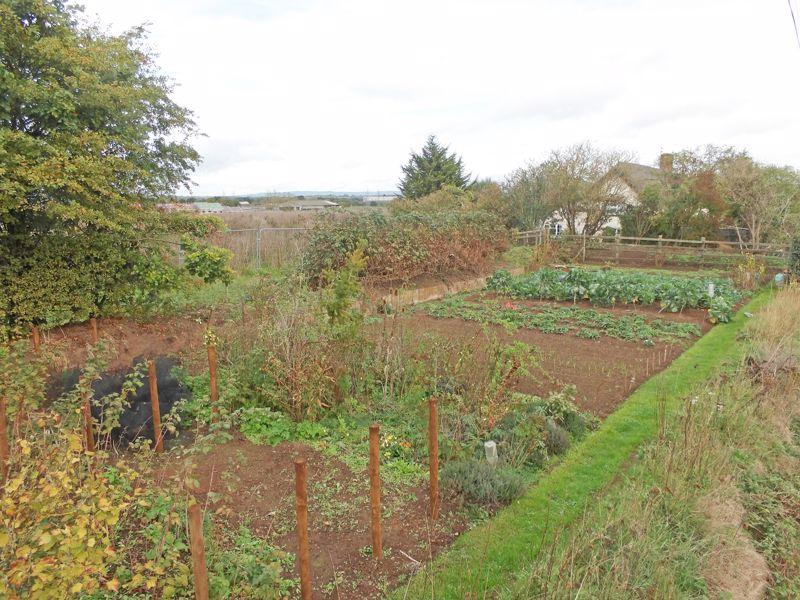
Have you ever wondered, “how much is my garden worth to a developer?” It’s a question many homeowners ask themselves, especially when considering selling land for development purposes. In this comprehensive guide, we’ll explore the factors that determine your garden’s value, various methods to value garden land, and how to maximize its development potential. Let’s dive in!
Key Takeaways
- Garden value to developers is determined by factors such as plot size, location and infrastructure.
- Valuation methods for garden land include the comparable and marriage value approaches.
- Maximize development potential through improving accessibility, addressing environmental concerns, understanding developer priorities & engaging a land agent.
Determining Your Garden’s Value to Developers
When appraising the worth of your garden to developers, several aspects need taking into consideration such as plot size and accessibility. A bigger garden plot which holds possibilities for multiple properties including an existing one is More sought-after particularly when it comes to arable or agricultural land. Gardens positioned in popular zones close by other dwellings are able to attract higher offers due good location influence. Availability can affect a property’s value, Developers lean towards parcels that have quick access to public services .
Plot Size and Potential Property Development
When it comes to developers, the size and development potential of a garden hold great value. There is no specific “ideal” plot size for property projects since considerations such as local regulations, zoning rules and particular plans come into play. The shape of an area can also affect its suitability. Square or rectangular plots are Favored because they provide better utilization of space.
Gardens with sizable lots may be used in various ways including rebuilding from scratch, conversions, new infill homes on pre-existing land parcels (brownfield), greenfield sites without any structures present yet along with serviced plots permitting different building options altogether when obtaining prior planning consent is possible. Having details about the site’s location condition plus feasible added facilities increases possibilities too when looking at gardens viable for construction purposes .
It must not be forgotten that getting clearance through planning permission ahead you go onsite ,the extent of ground involved ,which kind agricultural land has been targeted alongside inspection could define how successful your project ends up being before starting work over this class terrain – all due account having effect towards estate ventures upon these grounds within designated areas where reforms look promisingly achievable under those circumstances..
Location and Local Market Demand
The land value of garden spaces can be heavily affected by the demand within a given property market. Developers recognise that being close to city centres or desirable amenities makes for attractive properties, thus they are willing to pay more for locations which reflect this. When there is high interest in the area and limited supply available it often pushes prices up As buyers compete over these sought-after plots. Because of this yield on investment from such sites will usually prove lucrative too.
Accessibility and Infrastructure
A garden’s potential for real estate development is highly impacted by its ease of access and the presence of good infrastructure. Enhancing convenience to include direct road connection as well as providing off-street parking can greatly elevate a garden land’s value in terms of property growth. Also, being situated close to public services like sewers offers an immense advantage when appraising the prospective worthiness a garden holds for developers. Not only does this facilitate quick hookup from new properties with municipal sewer lines but it also bolsters appreciation substantially.
Valuation Methods for Garden Land
Estimating the worth of garden land can be done through two popular approaches, the comparable and marriage value methods. The former looks at sales figures from similar plots in order to get an approximation, taking into account size, location etc.. While with this latter method focuses on how much developing a neighbor’s property will improve its potential market price for that same piece of land. Both these ways help gauge what kind of returns your investment in acquiring said garden will bring you.
The Marriage Value Method
The marriage value method is a tool for assessing the potential of your land in terms of its increased worth when it comes to development. To calculate this increase, three steps are required: firstly one must determine whether the property amalgamates with a house, secondly work out what impact additional land will have on its overall value, and lastly come up with an accurate estimation as to how much more valuable that garden area would be when merged into a new dwelling. Various other factors such as leaseholder/freeholder interests, lease term length and difference between short-term leases vs extended ones all play important roles in attaining best results from using this technique, knowledge which can be incredibly helpful if you want to successfully negotiate higher prices regarding your plot or maximize rewards after putting money towards extending gardening areas at your abode.
Obtaining Planning Permission
When looking at buying garden land, it can be beneficial to gain permission for any development or transformation of the area. This kind of planning application may add value and should be applied for with thorough research on local regulations first. Particularly in conservation areas or other special zones. It is essential to understand if outline permit or a full license are needed when seeking this type of authorization from authorities regarding land improvement plans related to gardens.
Outline vs Full Planning Permission
When looking to obtain planning permission for a garden land, it is important to be aware of the differences between outline and full planning permission. Outline plans give authorization in principle with some details being required at a later stage whereas complete consent provides detailed approval specific to the proposed development plan. This knowledge can enable one maximize their plot’s potential by avoiding any restrictions that may be imposed as well as understanding what Applications might still need applying for if pursuing an outline request.
Conservation Areas and Other Restrictions
Researching local regulations before pursuing planning permission is of paramount importance as conservation areas and other restrictions may interfere with the development potential of garden land. This includes Areas of Outstanding Natural Beauty, National Parks and listed buildings which all have specific constraints in place to take into account. By taking these issues seriously ahead-of-time you can maximize chances for success when obtaining planning permission on your property or land asset, thereby getting the most out from its value.
Maximizing Your Garden’s Development Potential
To enhance your garden land’s growth potential, make sure to address accessibility as well as any environmental matters like tree protection laws and protected wildlife. These elements can help improve the desirability of your garden for developers if taken into account. By doing this you are not only making improvements that will maximize the development possibilities of your plot but also enhancing its overall attractiveness at the same time.
Improving Accessibility
Ensuring direct road access, off-street parking and easy access to green spaces on the garden land are great ways of increasing its development potential. Dealing with privacy issues is equally essential when it comes to getting planning permission, overlooking from neighbouring properties can pose a problem while an absence of that aspect will give your property greater prospects for growth. In summary, optimizing these features within one’s garden landscape will lead to improved opportunities in terms of developing their land.
Addressing Environmental Concerns
In order to maximize the development potential of your garden land and enhance its value, it is important to be mindful of environmental considerations such as tree preservation orders and protected wildlife. Being proactive about these issues can demonstrate responsible stewardship towards the environment while streamlining the process for developers interested in utilizing this piece of property. Addressing any concerns with regards to significant trees or ensuring that no protected flora or fauna are disturbed during construction will help increase overall interest in purchasing your garden land.
Negotiating with Property Developers
For a fair deal with property developers, it’s important to consult an experienced land agent who can comprehend the developer’s priorities like plot size, location and development prospects. This kind of assistance when selling one’s garden land is invaluable in helping you make the most of your asset as well as navigating through complex legal matters such as pricing agreements.
Developers tend to put special emphasis on aspects including but not limited too: area coverage. Proximity or distance from residential/commercial areas. And potential for Construction projects that could add value to their portfolio- all needing wise negotiation practices which include understanding these prioritized points.
Using a Land Agent
When it comes to selling garden land, the best way to get a fair price is by engaging an estate agent. These professionals have the knowledge and expertise necessary for negotiating favourable terms and conditions while representing their client in a professional manner throughout the process. Estate agents understand how complex transactions of this kind can be so they ensure that everything runs smoothly from start to finish with beneficial outcomes for all parties involved. By enlisting help you are able make informed decisions about your property sale knowing that someone has experience behind them doing what’s right on behalf of yourself and others within the deal.
Understanding Developer Priorities
In order to maximize the value of garden land, it’s helpful for landowners to understand a developer’s main considerations when analyzing potential development opportunities. These may include plot size and location as well as their overall vision or what they can do with this specific piece of property. This knowledge will be instrumental in negotiations between the two parties and can reveal any challenges that might arise down the line during development plans. Ultimately, having an understanding developers’ priorities enables landowners to get full benefit from their piece of land by successfully capitalizing on all its potential properties.
Summary
In summing up, if you are looking to make the most of your garden land’s development potential and negotiate a profitable deal when selling it for property purposes, then knowledge is key. You must understand what factors influence its value to developers as well as familiarize yourself with different valuation techniques, obtain suitable planning permission, maximize said prospects accordingly and have confidence in tackling negotiations effectively. When all elements come together seamlessly through careful consideration given beforehand – achieving success should be an easy feat!
Frequently Asked Questions
Can I sell part of my garden to a developer?
It is possible to offer a portion of your garden up for sale, but it must be granted the necessary planning approval and any other applicable authorizations beforehand.
How do you value a garden?
When it comes to assessing the worth of a garden, several things need to be taken into consideration – such as position, size, zoning laws and regulations in place surrounding development potential. To properly appraise this type of property an effective way is to match its features against comparable gardens that have recently been sold nearby.
What are the key differences between outline and full planning permission?
When it comes to planning permission, outline approval signifies acceptance of the basic concept for a development project while full authorisation will give specific confirmation to carry out that same proposal.
How can I maximize my garden’s development potential?
Maximizing your garden’s development potential can be achieved by improving accessibility, complying with environmental regulations and recognizing developer priorities.
What role does a land agent play in negotiating with property developers?
A land agent is instrumental in brokering the sale of a property, offering guidance on pricing and beneficial terms for their client. They help ensure an equitable negotiation process to make sure everyone involved receives fair value from the transaction.