What Is a Land Promotion Agreement?
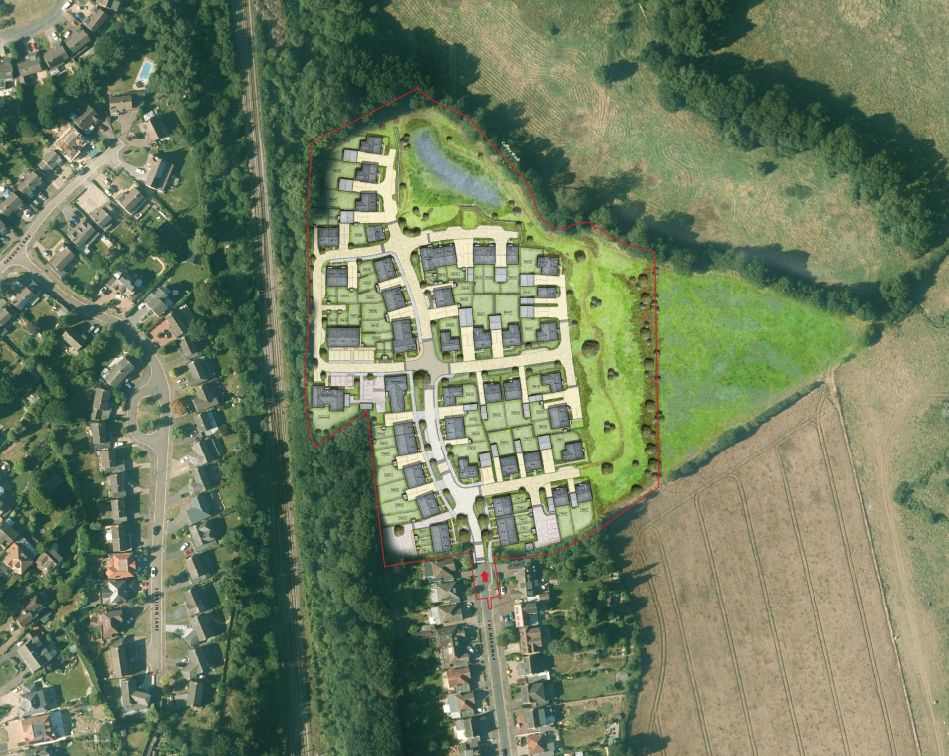
A land promotion agreement is a contract between a landowner and a promoter, typically a planning expert or developer. The promoter funds and manages the process to secure planning permission, aligning with local development plans, and markets the land for sale once approved. The landowner retains ownership until the sale, sharing profits with the promoter based on agreed percentages.
Key benefit: Landowners face no upfront costs, while promoters leverage expertise to maximize land value.
How Does a Land Promotion Agreement Work?
A land promotion agreement partners a landowner with a promoter, like Approved Planning, who funds and manages the planning process to secure permission and market the land for maximum value. Here’s how it works in 2025:
- Agreement fee: An optional upfront payment from the promoter to the landowner upon signing, signaling commitment.
- Promotion period: Typically 5–10 years to obtain planning permission, with extensions for complex sites in Essex or Suffolk.
- Promotion costs: The promoter funds all planning applications, consultancy, surveys, and marketing, often with agreed cost caps, ensuring no landowner expense.
- Sale and profit split: Once planning is approved, the land is sold on the open market, with net proceeds split per the agreement (e.g., 60-80% to landowner, 20-40% to promoter, reflecting expertise and risk).
Example: In 2025, an Essex landowner with a 10-acre site partnered with Approved Planning to secure planning for 50 homes, selling for £5M. After costs, the promoter’s 30% fee (£1.5M) covered planning and marketing, while the landowner received 70% (£3.5M) without any upfront investment.
Typical Land Promotion Fees
Promoter fees typically range from 20–40% of the net sale value, reflecting the expertise, risk, and resources required to secure planning permission in 2025’s complex regulatory environment:
- 20-30%: Standard for straightforward sites, such as greenfield land in Essex, where promoters streamline planning and marketing.
- 30-40%: Common for high-risk or complex sites, like brownfield redevelopment or contentious planning in Suffolk, where promoters navigate strict local policies and rising costs.
- 15-20%: Rare, typically for low-risk sites where promoters fund significant infrastructure, reducing landowner risk further.
Example: For a 10-acre Essex site sold for £5M after planning approval in 2025, a 30% promoter fee yields £3.5M for the landowner and £1.5M for the promoter, covering planning, surveys, and marketing costs. This ensures landowners benefit from expert delivery without upfront investment.
Regional Insight: In Essex and Suffolk, a 30% fee is standard for medium-risk sites due to high demand for residential development and evolving local plan requirements (2025 data).
Why Choose a Land Promotion Agreement?
Benefits for Landowners
- Zero upfront costs: Promoter funds all planning and marketing.
- Expertise: Access to promoter’s planning and market knowledge.
- Higher value: Open market sale drives competitive bids.
- Aligned goals: Both parties aim to maximize land value.
Benefits for Promoters
- No land purchase: Avoids upfront costs and Stamp Duty Land Tax (SDLT).
- Profit-driven: Earnings tied to final sale value.
- Control: Manages marketing and sale process.
Key Elements of a Land Promotion Agreement
- Agreement fee: Optional upfront payment to landowner.
- Promotion period: Defined timeline (5–10 years) with extension and termination clauses.
- Cost caps: Limits on promoter expenses, with transparent reporting.
- Marketing: Independent valuation and open market sale to ensure fair pricing.
- Profit split: Clear terms for dividing net proceeds, with audit rights.
- Security: Land Registry restrictions or charges to protect landowner.
- Exit clauses: Step-in rights, insolvency safeguards, and dispute resolution.
- Tax advice: Essential for VAT, SDLT, and Capital Gains Tax (CGT) planning.
Expert Advice for Landowners in Essex and Suffolk
- Select a local expert: Choose a promoter with proven success in Essex or Suffolk planning systems.
- Ensure transparency: Negotiate cost caps and regular financial updates.
- Protect your asset: Set a minimum sale value and secure Land Registry protection.
- Seek professional advice: Consult tax and legal experts to navigate CGT, VAT, and SDLT.
- Understand local trends: In 2025, Essex and Suffolk see high demand for residential sites, boosting promotion potential.
Frequently Asked Questions
What’s the difference between a land promotion and an option agreement?
A land promotion agreement markets the land on the open market after planning permission, maximizing value through competition. An option agreement allows a single developer to buy at a pre-set price once permission is granted, potentially limiting returns.
How much does a promoter take?
Promoters typically charge 15–30% of net sale proceeds, with 20% common in Essex and Suffolk for medium-risk sites.
Are there upfront costs for landowners?
No, promoters usually cover all planning and marketing costs, with no upfront fees for landowners.
Final Thoughts
A land promotion agreement is a low-risk, high-reward strategy for landowners, especially in high-demand areas like Essex and Suffolk. By partnering with an experienced promoter, you can unlock your land’s potential while minimizing financial exposure. With clear terms and expert advice, it’s a proven path to maximize value.
Ready to explore land promotion for your property?
Contact Approved Planning for a free, no-obligation review.